Core Group Members, Cultural Committee
# festival
Holi Celebration
DateMonday, Mar 22, 2027
LocationCentral Courtyard
Overview
About the
About the
Experience
Holi, the Festival of Colors, is one of the most vibrant and joyous festivals celebrated in Hindu culture, symbolizing the victory of good over evil and the arrival of spring. Known for its exuberant celebration of color, light, and love, Holi brings together people of all ages, backgrounds, and beliefs in a spirit of unity, forgiveness, and renewal. Celebrated on the full moon day in the Hindu month of Phalguna, typically in March, Holi marks the end of winter and the beginning of a new harvest season.
The festival carries deep spiritual and mythological significance rooted in ancient Hindu legends. According to tradition, Holi commemorates the divine victory of Lord Krishna over the demoness Holika, symbolizing the triumph of righteousness and virtue over darkness and negativity. The festival's spiritual essence teaches the importance of overcoming obstacles, releasing past grievances, and embracing new beginnings with optimism and faith.
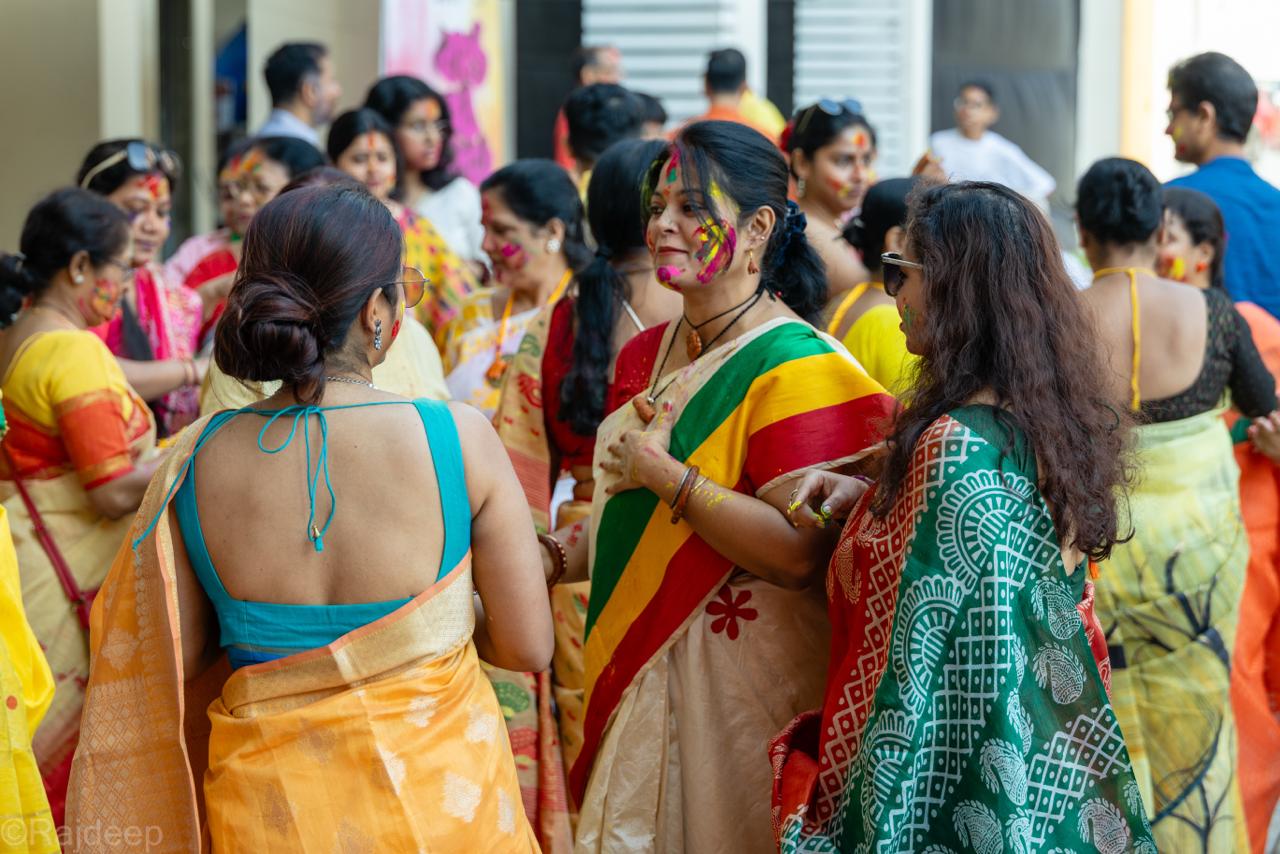
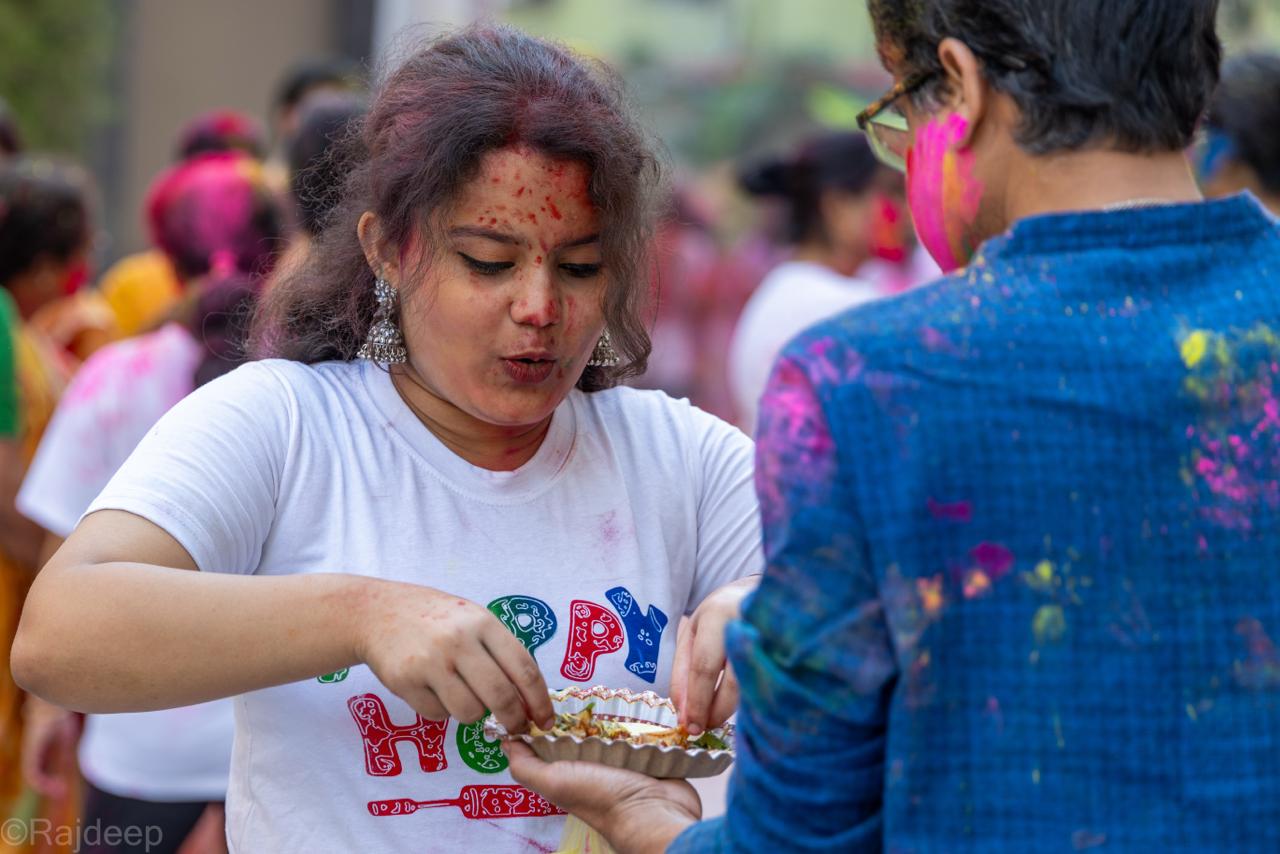
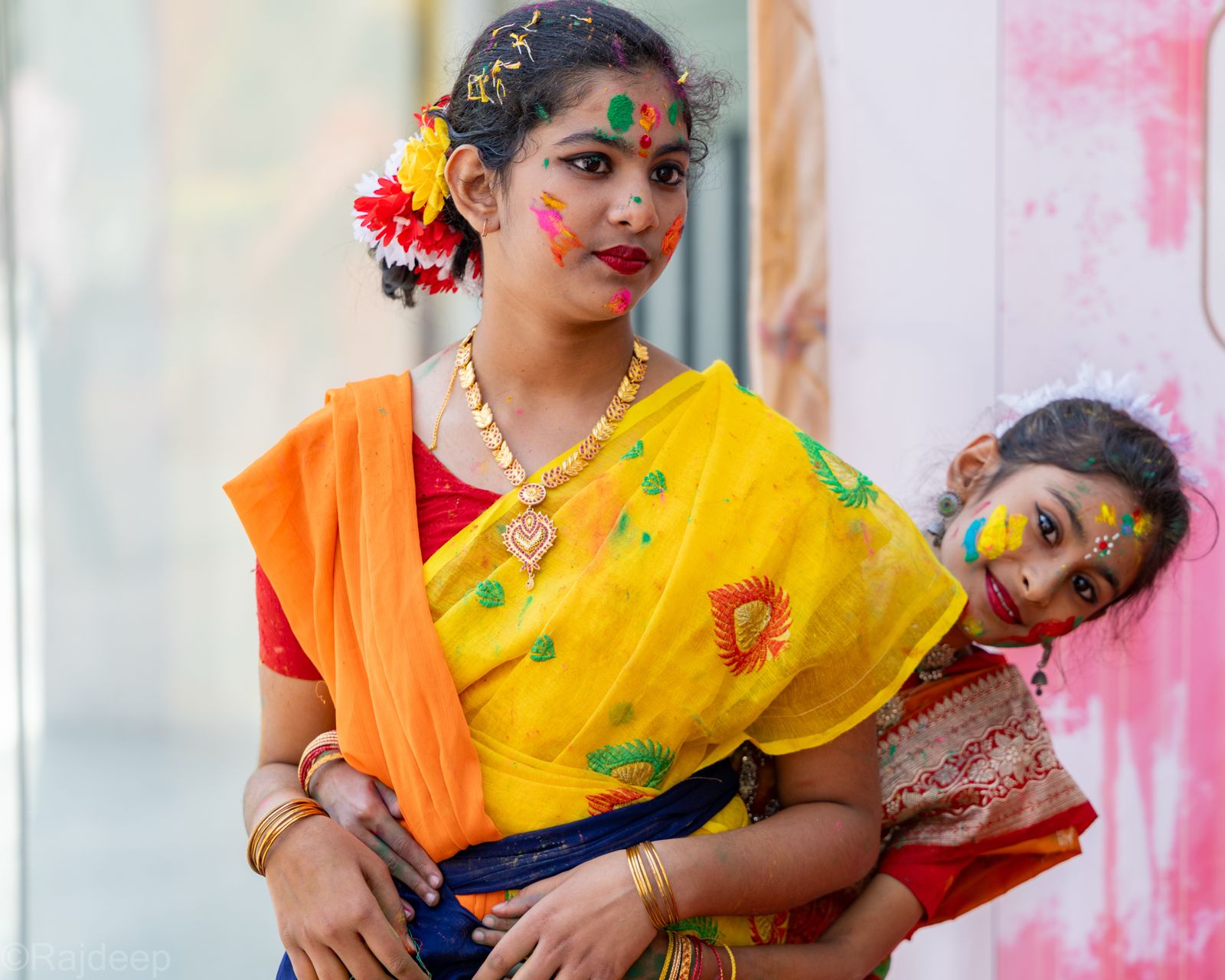
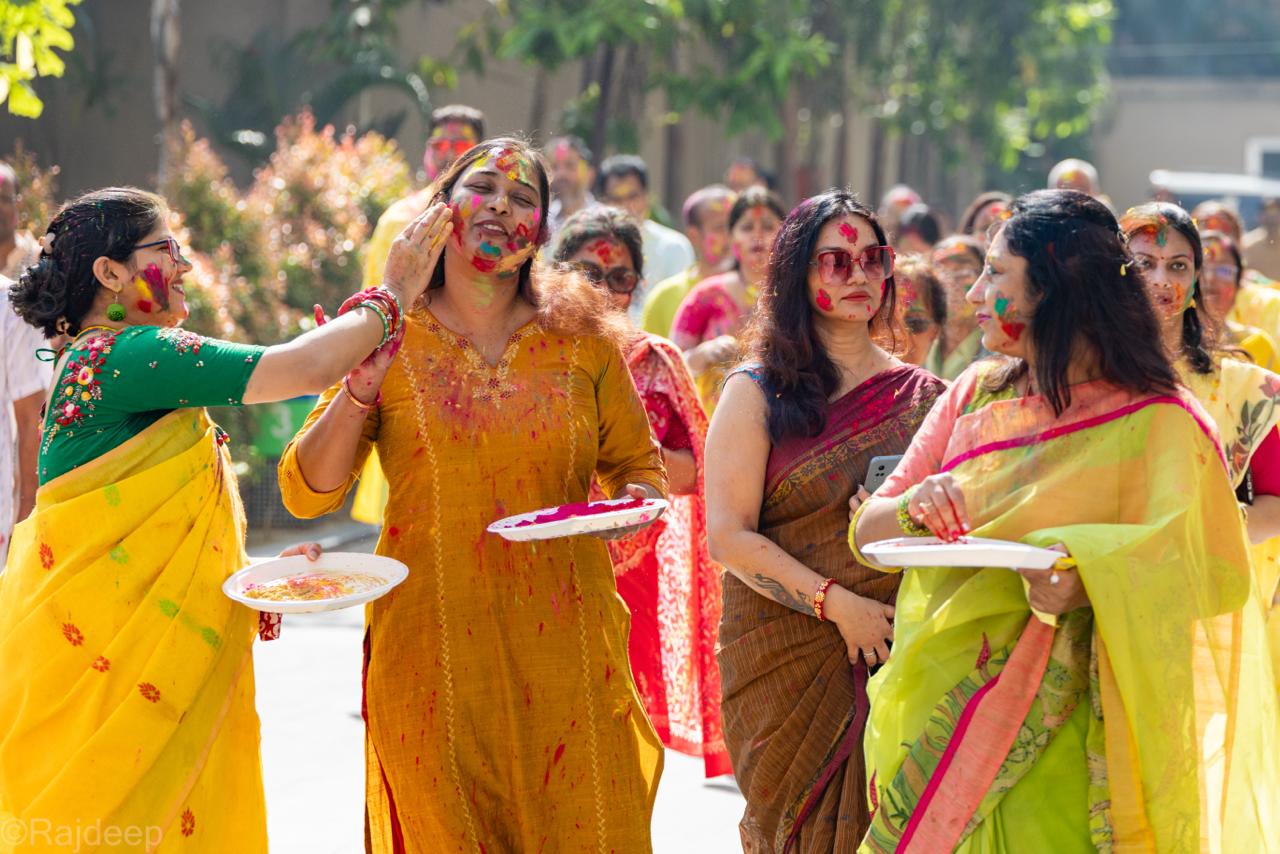
The most iconic and beloved aspect of Holi is the playful throwing of colored powder, known as gulal or abir. Friends, family members, and neighbors gather together to splash vibrant colors on one another, transforming the community into a canvas of reds, blues, yellows, greens, and purples. This colorful exchange symbolizes the breaking down of social barriers, the celebration of diversity, and the joy of being together. Children and adults alike revel in the freedom of color play, creating moments of pure delight and laughter that resonate throughout neighborhoods and communities.
Thandai, the traditional sweet beverage made from milk, nuts, and aromatic spices, is an integral part of Holi celebrations. This cooling drink, flavored with cardamom, ginger, and other traditional ingredients, represents the cooling effect of spring and provides refreshment to those engaged in festive celebrations. Sharing thandai strengthens bonds of affection and hospitality among community members.
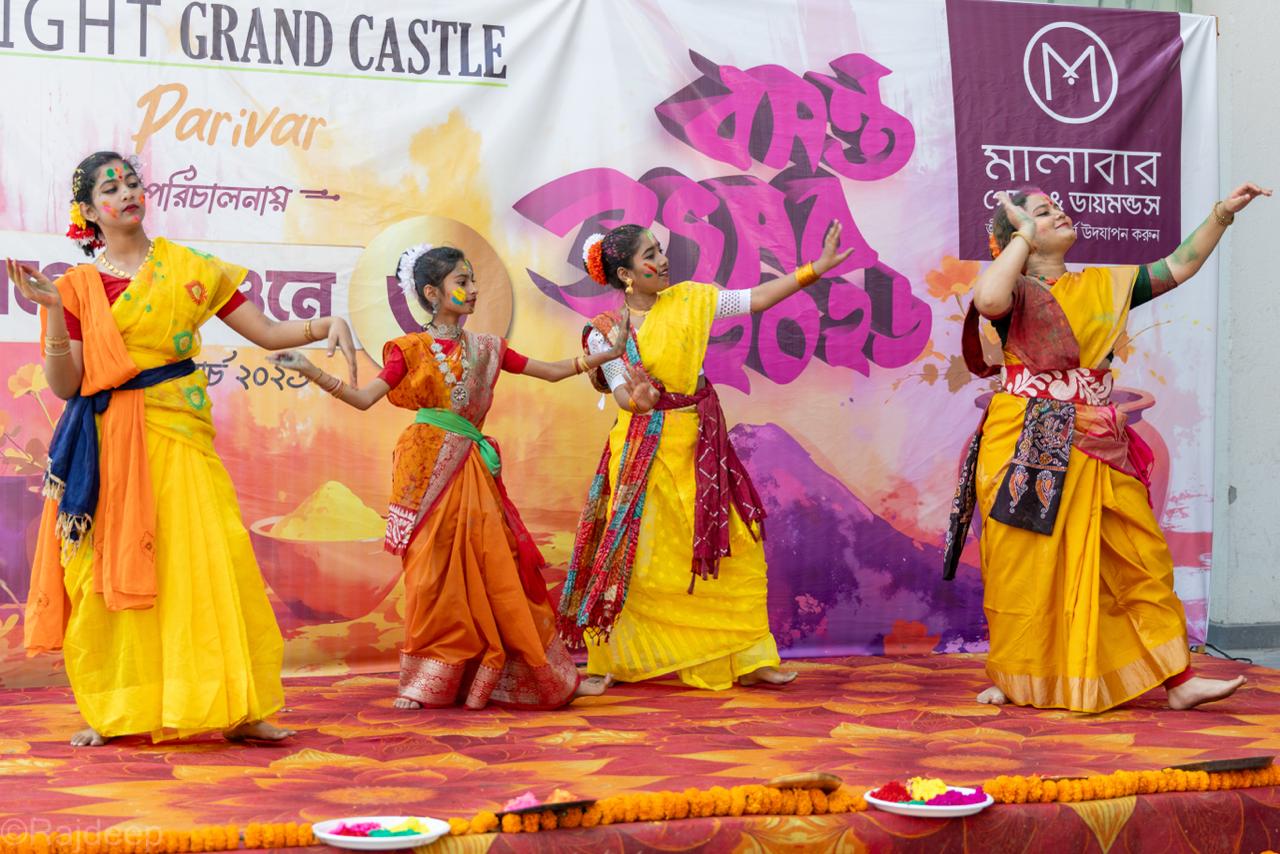
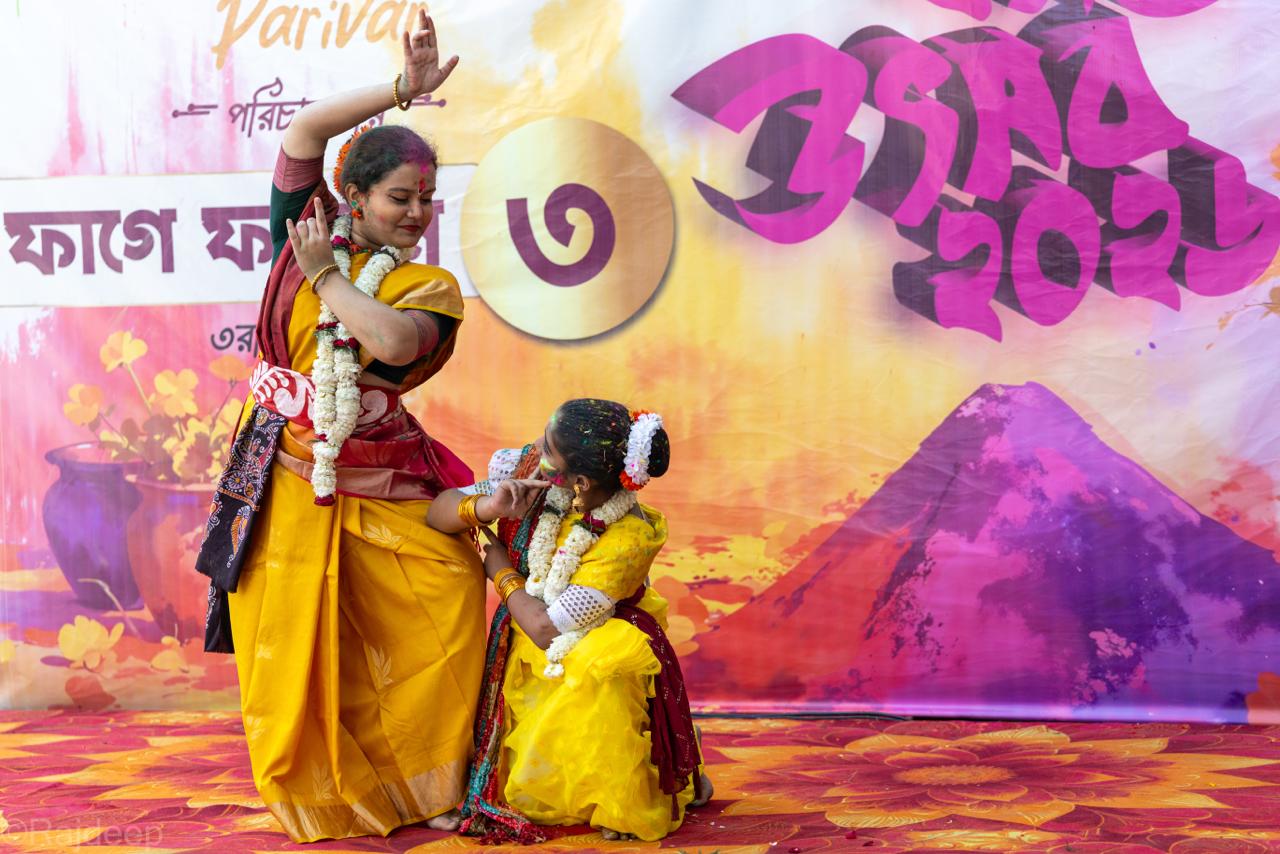
Music and dance form the vibrant soundtrack of Holi celebrations. Traditional folk songs, bhangra, and contemporary music fill the air as people dance with unbridled joy and energy. The rhythmic beats and melodious tunes create an atmosphere of celebration and merriment that brings everyone together in shared happiness. Young and old participate in traditional dances, creating memories that last a lifetime.
Holi is also a time for reconciliation and renewal of relationships. The festival embodies the spirit of forgiveness, encouraging people to let go of past conflicts and start afresh with loved ones. It is customary to visit friends and family, exchange sweets and gifts, and seek forgiveness for any wrongdoings. This aspect of Holi reinforces the community's commitment to harmony, compassion, and mutual respect.
Beyond the festivities, Holi carries important cultural and environmental messages. The lighting of bonfires before Holi, called Holika Dahan, symbolizes the burning away of negativity and the purification of the self and surroundings. The ash from these bonfires is often used as a blessing, reminding participants of the impermanence of life and the importance of virtue and righteousness.
Holi celebration in the community represents the collective expression of joy, unity, and shared cultural pride. It is a festival that transcends individual differences and creates an inclusive space where everyone is welcome to participate. Through colors, music, food, and fellowship, Holi reaffirms the community's values of celebration, forgiveness, renewal, and togetherness, making it a cherished occasion that strengthens social bonds and enriches the cultural fabric of the community.
Event Archives
Visual Journey
No moments captured yet.
Event Legacy
Past Gallery
Entry Status
190
Days to Kickoff
Digital
Access
Your RSVP is your entry pass. Confirm to generate QR.
Venue Information
Central Courtyard
10:00 AM - 3:00 PM
Event Feed
"Stay tuned for live updates and announcements about this event."
— Committee
Just now
Have Questions?
Reach out to the organizing committee (Core Group Members, Cultural Committee) for any event-related inquiries.
Contact Committee