
DURGA PUJA
2026
Experience the soul of Bengal within our gates. A grand celebration of faith, artistry, and community spirit that defines our identity.
Attendance Rate
98%
In
42
Days
General
Lakshmi Puja
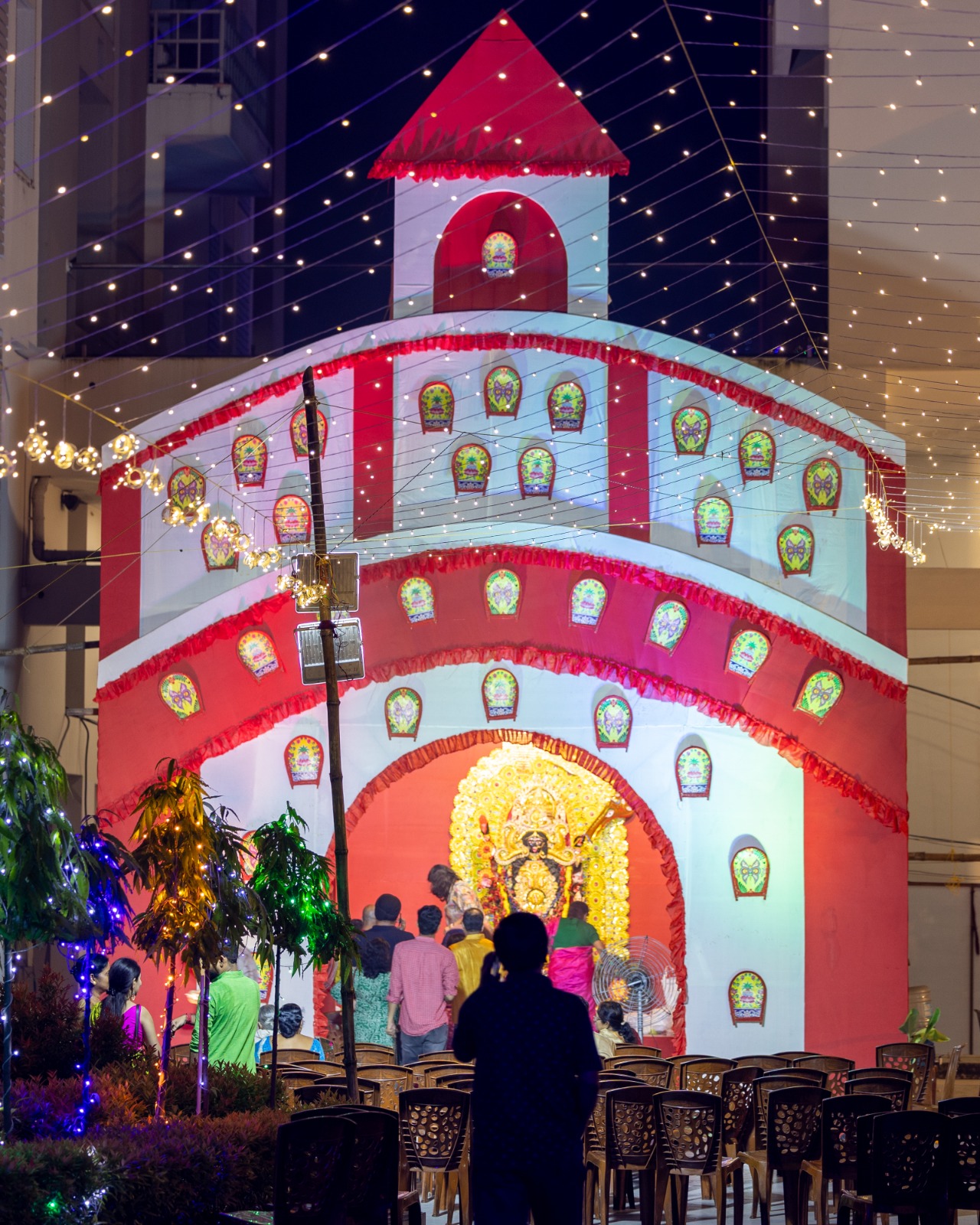
Lakshmi Puja is a sacred Hindu festival dedicated to worshipping Lakshmi, the Goddess of wealth, prosperity, abundance, and good fortune. Celebrated during the autumn season, this spiritual observance honors the divine feminine energy that brings material and spiritual blessings to all who devote themselves to her worship. Lakshmi Puja holds profound significance in Hindu tradition as a ceremony to invoke divine grace for success, health, and flourishing in all aspects of life. Lakshmi, portrayed as the consort of Lord Vishnu, embodies the principle of abundance and auspiciousness. She is depicted as a radiant goddess adorned with golden ornaments and lotus flowers, symbolizing purity, beauty, and prosperity. The lotus in her hands represents spiritual enlightenment rising from the depths of worldly existence, illustrating the transcendent nature of true wealth. Worshipping Lakshmi is not merely about seeking material riches, but about inviting divine blessings that encompass health, happiness, knowledge, and spiritual growth into one's life and home. The Lakshmi Puja ceremony involves elaborate rituals performed with utmost devotion. The altar is beautifully decorated with flowers, incense, and sacred offerings. Devotees perform Aarti (the ritual of worship with oil lamps), chanting sacred mantras and hymns that invoke the presence of the Goddess. The entire community gathers to participate in this collective act of worship, creating an atmosphere charged with spiritual energy and divine presence. Lights and lamps form an integral part of Lakshmi Puja celebrations, symbolizing the dispelling of darkness and ignorance through the light of divine wisdom and prosperity. The glowing lamps represent the illumination of the soul and the guidance of the Goddess towards a path of righteousness and abundance. This festival teaches the profound lesson that true wealth is not merely material possessions, but includes good character, knowledge, health, and spiritual fulfillment. By honoring Lakshmi through sincere devotion and righteous living, believers invite her blessings into their lives, seeking prosperity with gratitude and acknowledging the divine source of all abundance.
In
56
Days
Cultural Committee
Kali Puja
Kali Puja is a sacred Hindu festival dedicated to worshipping Kali, one of the most powerful and enigmatic manifestations of the divine feminine energy in Hindu cosmology. Celebrated during the autumn season, this festival honors the fierce, transformative, and protective aspects of the Goddess, who is simultaneously fierce and compassionate, destructive and liberating. Kali Puja represents the triumph of the divine mother over ignorance, ego, and inner demons, making it a profound spiritual observance of immense significance. Goddess Kali is traditionally depicted with a dark complexion symbolizing the formless, infinite nature of ultimate reality. She is adorned with a garland of severed heads and a skirt of severed arms, representing the ego's destruction and the elimination of all impediments to liberation. Despite her fearsome appearance, Kali embodies divine love and protection for her devotees. She dances upon Lord Shiva, symbolizing the union of consciousness and creative power, the eternal cosmic dance of creation and dissolution. Kali Puja involves elaborate nocturnal rituals performed with intense devotion, often lasting through the night. The ceremony includes prayers, invocations, and offerings to invoke the Goddess's presence and blessings. Her devotees gather in the temple or community spaces to engage in Aarti (ritual worship with lamps), chanting of sacred hymns and mantras, and contemplative meditation. The night-time celebration emphasizes the mystical and transcendent aspects of worship, as devotees seek to transcend ordinary consciousness and experience divine union. The worship of Kali is not merely about seeking worldly blessings but about spiritual transformation and liberation from the cycle of birth and death. She is revered as the supreme mother who destroys ignorance and bestows wisdom and enlightenment upon her sincere devotees. The fierce energy of Kali represents the dissolving force that breaks down all that is false, petty, and ego-driven, making way for authentic spiritual growth and self-realization. Kali Puja celebrates the courage required to face one's inner darkness, acknowledge one's shadows, and seek genuine transformation through devotion. It teaches that true liberation comes not from running away from challenges but from facing them with courage and surrender to the divine mother's transformative grace. In honoring Kali, devotees acknowledge that destruction and creation are two sides of the same cosmic coin, and that spiritual evolution often requires the dissolution of our limited self-identity.
In
62
Days
Core Group Members, Decoration and Beautification
Children's Day Celebration
Children's Day Celebration is a joyful and vibrant community event dedicated to honoring the innocence, creativity, and boundless spirit of childhood. This delightful occasion brings together children and adults for a day filled with laughter, entertainment, and memorable experiences. The celebration emphasizes the importance of nurturing young minds, fostering their talents, and creating an environment where children can express themselves freely and joyfully. The event features a spectacular array of engaging games and activities designed to captivate children of all ages. From traditional outdoor games and sports activities to interactive creative workshops, each activity is carefully curated to encourage physical activity, mental stimulation, and social interaction. Children can enjoy relay races, treasure hunts, art and craft sessions, science demonstrations, and interactive learning activities that make education fun and engaging. These activities not only provide entertainment but also help develop essential skills such as teamwork, problem-solving, and creativity. The celebration showcases talented performances by children, including dance recitals, musical performances, theater presentations, and talent displays. Young artists take center stage to share their gifts with the community, building confidence and self-esteem. The performances celebrate the diverse talents present within our community and provide a platform for children to shine and receive appreciation for their efforts. Families gather in the beautiful Central Courtyard to create cherished memories together. Parents and guardians actively participate in games and activities alongside their children, strengthening family bonds and enjoying quality time. The festive atmosphere, filled with colorful decorations, cheerful music, and the delighted laughter of children, creates an environment of warmth, belonging, and celebration. Children's Day Celebration embodies the belief that childhood is a precious phase of life that deserves to be celebrated and protected. By organizing this event, the community reaffirms its commitment to the well-being, education, and happiness of its youngest members. It is a day to recognize that children are the future of our society and to invest in their growth, development, and joy.
Core Group Members, Decoration and Beautification, Food Secretary, Working Secretary
Christmas Eve Celebration
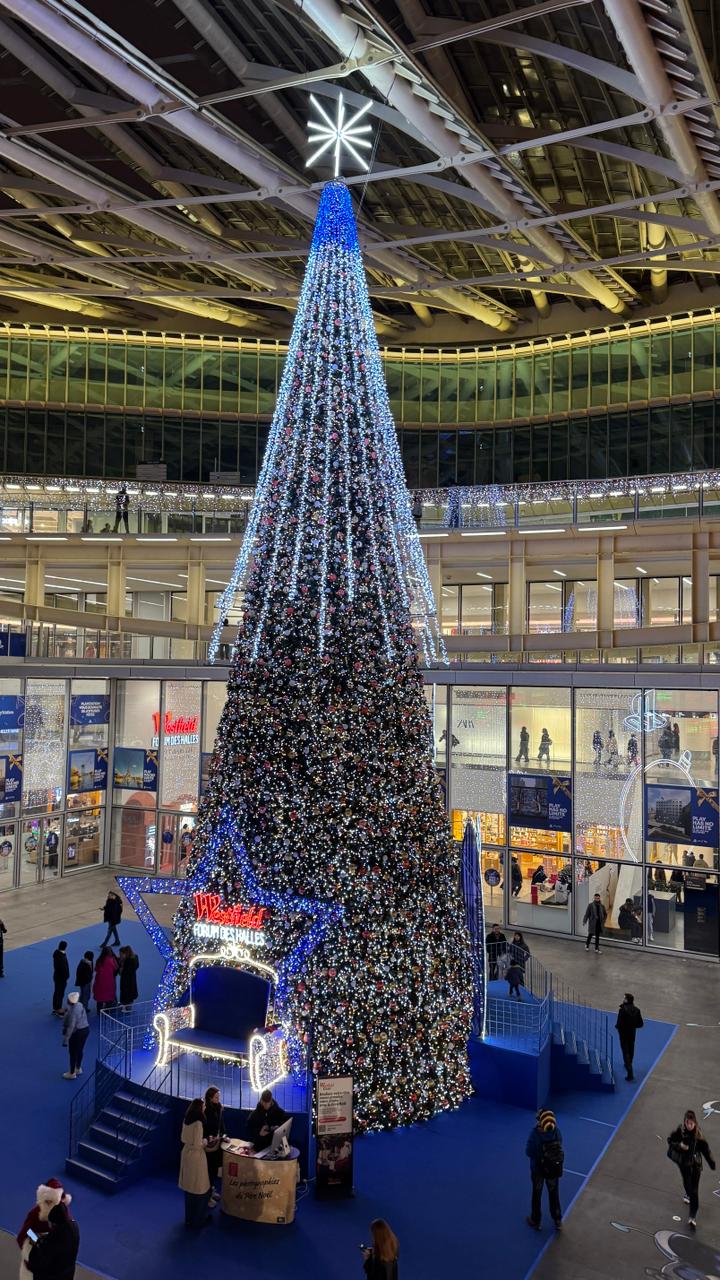
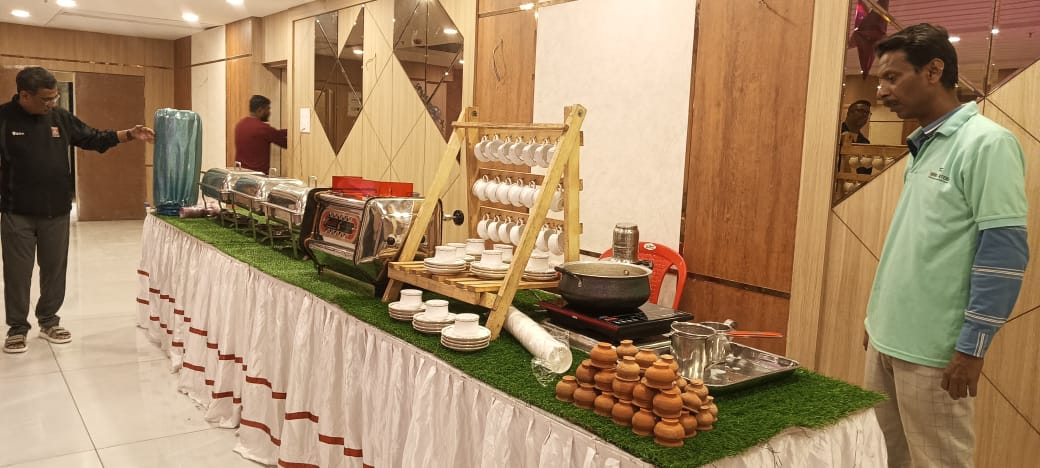
Christmas Eve Celebration is a heartwarming and festive community event that brings together residents to commemorate the magic and joy of Christmas. This cherished occasion creates an atmosphere filled with warmth, togetherness, and the spirit of giving, as members celebrate the birth of Jesus Christ and exchange love and blessings with one another. The event captures the essence of Christmas traditions while fostering community bonds and creating memories that will be treasured for years to come. The celebration features the beautiful tradition of Christmas tree decoration, where residents gather around an elegantly lit tree to hang ornaments, lights, and decorations. This collaborative activity symbolizes the gathering of the community around a shared symbol of hope and celebration. Families work together to transform the tree into a magnificent centerpiece, creating an enchanting focal point that radiates the spirit of Christmas throughout the venue. The decorated tree stands as a testament to the collective joy and unity of the community. Secret Santa is a beloved tradition that adds excitement and delight to the celebration. Community members participate in this gift exchange, where each person gives and receives presents anonymously. This thoughtful tradition embodies the spirit of generosity and kindness that Christmas represents. The suspense and joy of discovering who gave you a gift, combined with the pleasure of giving to someone else, creates moments of genuine happiness and connection among participants. A delicious cake distribution forms a sweet conclusion to the festivities. Homemade and specially prepared cakes are shared among all attendees, bringing people together in celebration over treats that nourish both body and soul. The cake-sharing tradition symbolizes sweetness, abundance, and the joy of community fellowship. As residents enjoy these delightful desserts, conversations flow freely, laughter fills the air, and bonds of friendship are strengthened. Christmas Eve Celebration is more than just an event; it is a sacred expression of community values—compassion, generosity, unity, and joy. In the warm and welcoming environment of the Clubhouse, residents of all backgrounds come together to celebrate the season of giving and love, reaffirming the importance of community in our lives.
Core Group Members, Food Secretary, Working Secretary
31st Night / New Year's Eve Celebration
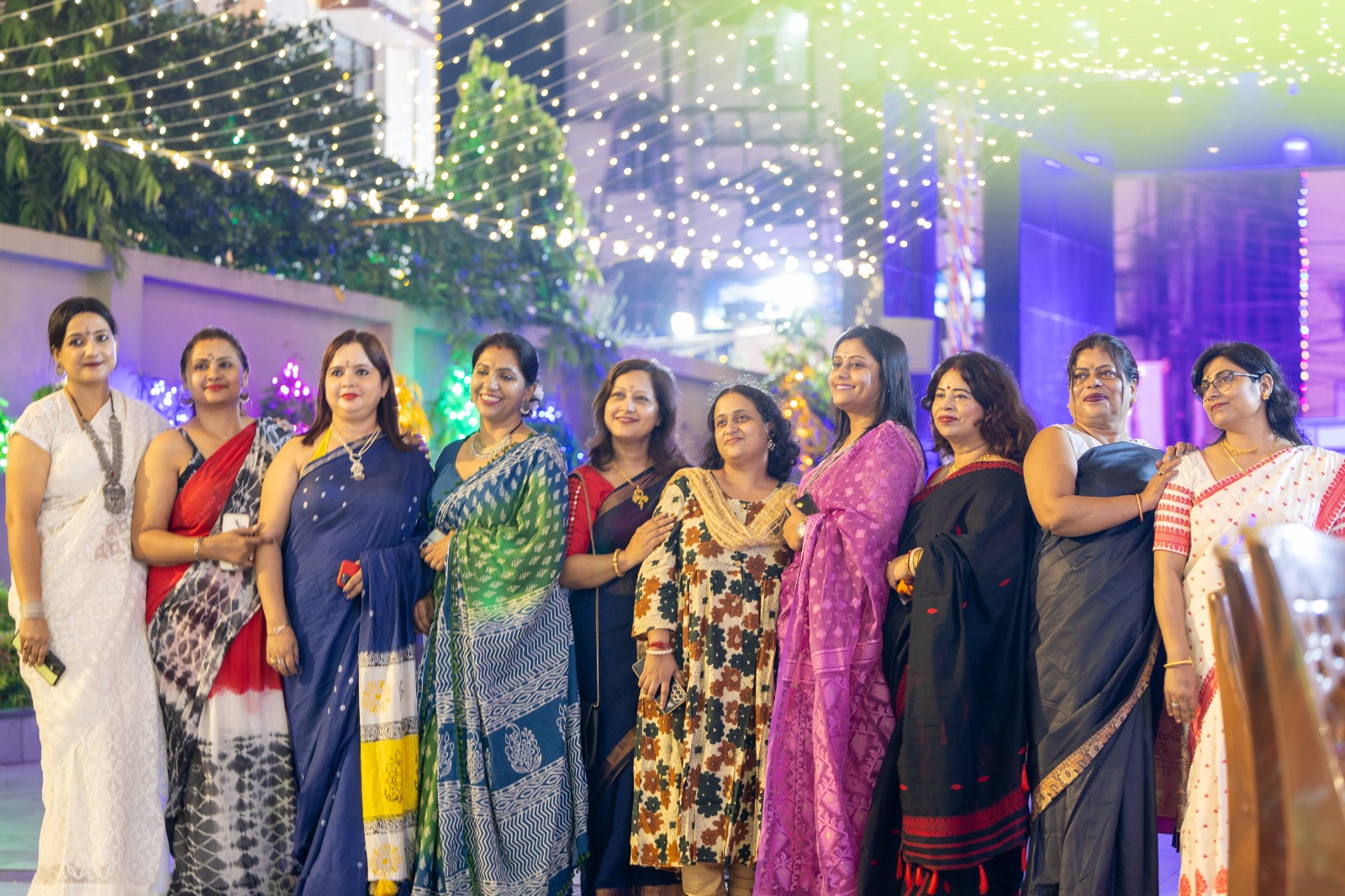
The 31st Night / New Year's Eve Celebration is a joyous and electrifying community event that marks the transition from the outgoing year to the beginning of a brand new chapter. This celebration embodies the universal human desire to commemorate the passage of time and welcome fresh beginnings with hope, optimism, and collective enthusiasm. New Year's Eve holds profound cultural and emotional significance across diverse traditions and communities worldwide. It represents a moment of reflection, where we honor the memories and lessons from the past year while simultaneously embracing the promise and potential of the future. This celebration encourages introspection, gratitude, and the renewal of aspirations as we step into a new calendar year. The central elements of this festive evening—music, dance, and the countdown to midnight—create an atmosphere brimming with excitement and camaraderie. The live music and dynamic dance performances energize the community, bringing residents together in shared celebration and joy. The rhythmic beats and melodious tunes create an enchanting ambiance that resonates through the Central Courtyard, inviting everyone to participate in the merriment and express their joy through movement and celebration. The countdown to the New Year is the crescendo of the evening, a moment of collective anticipation where the entire community unites with a shared sense of purpose. As the clock strikes midnight, voices unite in chorus, counting down the final moments of the old year. This synchronized moment transcends individual differences and creates a profound sense of belonging and unity among all present. The transition into the new year is marked by jubilant cheers, embraces, and expressions of goodwill, as residents extend wishes of prosperity, health, and happiness to one another. Beyond the entertainment and festivity, this celebration embodies important community values: unity, joy, renewal, and hope. It provides an opportunity for members of the Grand Castle family to gather in a spirit of togetherness, to celebrate their shared bonds, and to create lasting memories. The event fosters a sense of belonging while honoring the significance of new beginnings. Whether through dancing with neighbors, sharing laughter, or simply being present in a space filled with collective energy, participants engage in a meaningful ritual that connects them to something larger than themselves. This New Year's Eve Celebration serves as a powerful reminder that we move forward together as a community, carrying the warmth and connections forged through shared celebrations into the year ahead.
Core Group Members, Working Secretary
Annual Picnic
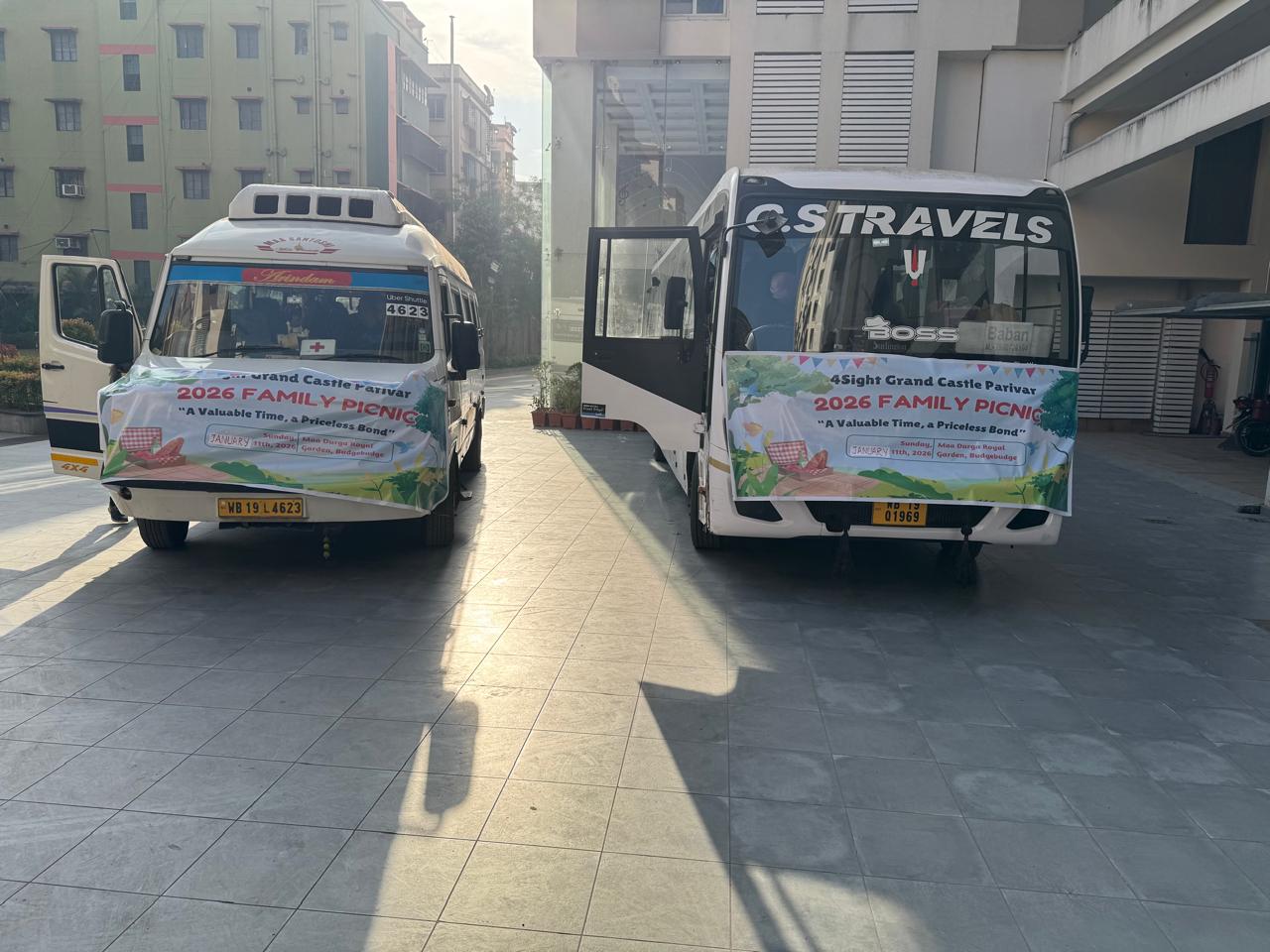
The Annual Picnic is a cherished community tradition that brings together residents and families for a day of outdoor recreation, celebration, and bonding. This full-day event, typically held at a picturesque nearby resort or farmhouse, serves as an ideal opportunity for neighbors to relax, enjoy quality time with one another, and create lasting memories in a beautiful natural setting. Planned from early morning until evening, the Annual Picnic showcases the community's commitment to fostering strong interpersonal connections and promoting wellness through recreational activities. The extended duration allows participants to engage in various games, sports, and leisure activities at their own pace, ensuring there is something enjoyable for everyone regardless of age or fitness level. From traditional outdoor games to team sports and casual recreation, the picnic offers diverse entertainment options that appeal to both children and adults. The scenic location of a nearby resort or farmhouse provides the perfect backdrop for this celebration. The natural surroundings offer a welcome escape from the hustle and bustle of daily urban life, providing residents with a chance to unwind and reconnect with nature. The verdant gardens, open spaces, and peaceful atmosphere create an ideal environment for family gatherings and community camaraderie. Food plays a central role in the Annual Picnic experience. The event features delicious meals and refreshments that showcase culinary traditions and bring people together around shared tables. Whether enjoying home-prepared dishes, catered meals, or community contributions, the communal dining experience strengthens bonds and creates opportunities for informal conversations and laughter. Meals shared outdoors under open skies tend to taste even better and foster a sense of togetherness that extends beyond the food itself. The games and activities organized throughout the day are designed to encourage participation, friendly competition, and shared joy. Sports competitions, group games, and recreational activities allow residents to engage physically while having fun with their neighbors. These organized activities often become highlights that families look forward to each year, with friendly rivalries and memorable moments becoming part of the community's shared history. Beyond the games and food, the Annual Picnic represents something deeper: it is a celebration of community identity and shared values. The event provides a platform for residents of all backgrounds and ages to come together, emphasizing inclusivity and belonging. Parents and children create cherished family memories, while younger adults and seniors interact across age groups, strengthening the community fabric. The picnic reminds residents that they are part of a larger family committed to celebrating together and supporting one another. Planning and participating in the Annual Picnic reflects the community's dedication to organized leisure and collective well-being. The event requires coordination from committed volunteers and organizers who work to ensure smooth logistics, diverse entertainment, and a welcoming atmosphere for all. This collaborative effort itself reinforces community spirit and appreciation for those who contribute their time and talents. The Annual Picnic is more than just an outdoor event; it is a reflection of the community's values and priorities. It celebrates recreation, family, friendship, and the simple joy of being together in nature. Attendees leave the picnic not only refreshed from their day in the outdoors but also with renewed appreciation for their community and strengthened bonds with their neighbors.

Core Group Members, Decoration and Beautification, Working Secretary
Republic Day Celebration
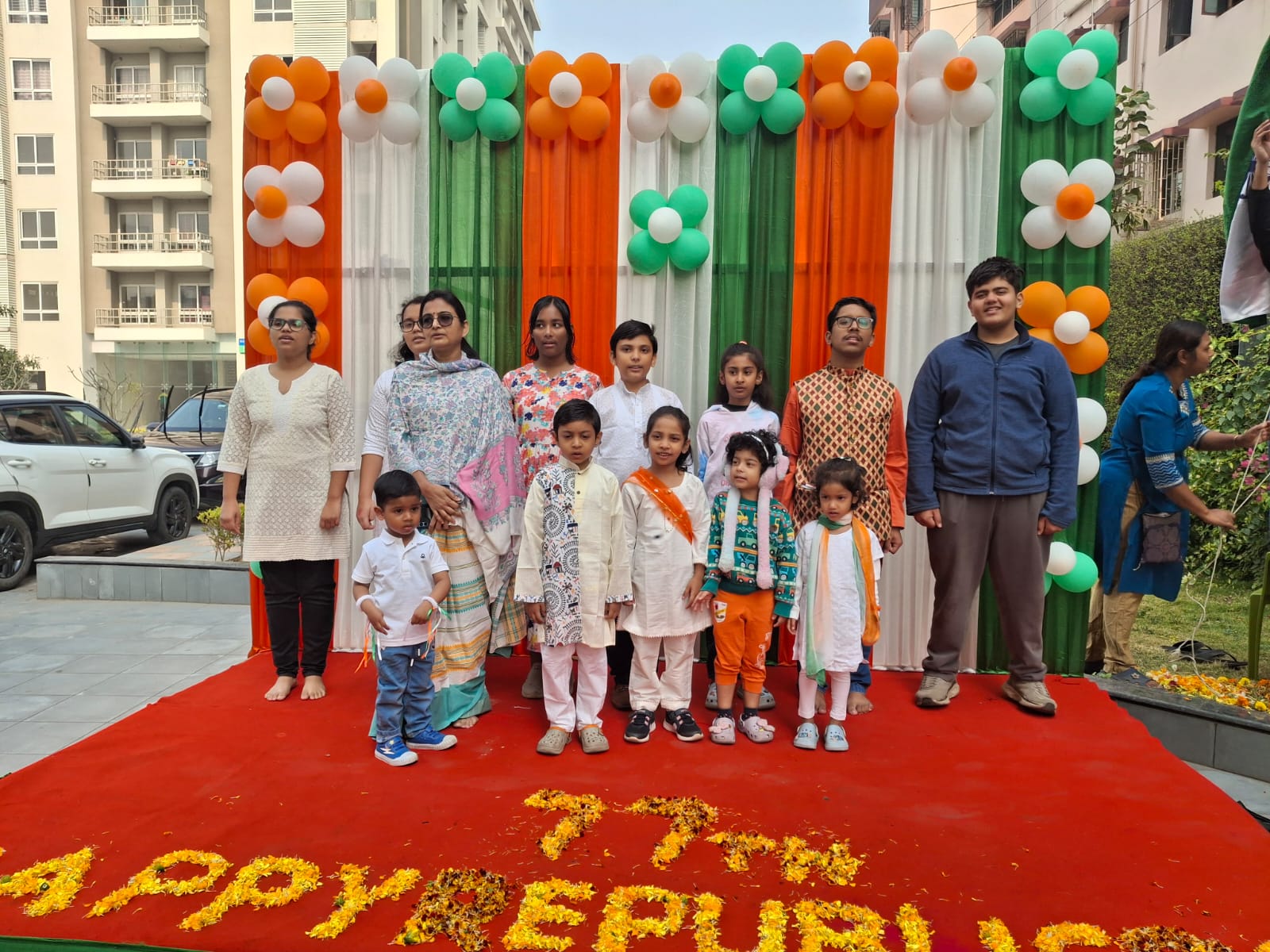
Republic Day Celebration marks the commemoration of the day India's Constitution came into effect, a momentous occasion filled with patriotic spirit and national pride. Our community comes together for a solemn yet celebratory flag hoisting ceremony at the beginning of the day, honoring the values of freedom, democracy, and unity. The tricolor flag, representing courage, peace, and prosperity, is hoisted with great reverence and dignity. Accompanied by the national anthem and patriotic fervor, this event reminds us of the sacrifices made by our freedom fighters and the responsibilities we bear as citizens. Join us as we celebrate our nation's Republic Day, renew our commitment to its ideals, and foster a sense of belonging and pride within our community. This is a time to reflect on our shared heritage and to strengthen the bonds that unite us as one nation.
Core Group Members, Cultural Committee, Decoration and Beautification, Puja Committee, Working Secretary
Saraswati Puja (Basant Panchami)
Saraswati Puja, celebrated as Basant Panchami, is a revered Hindu festival honoring Goddess Saraswati, the divine embodiment of knowledge, wisdom, arts, and learning. This sacred celebration marks the arrival of spring and the triumph of knowledge over ignorance. Basant Panchami, meaning "the fifth day of spring," falls on the fifth lunar day of the Hindu month of Magha, typically in February, symbolizing renewal, hope, and the blossoming of intellectual and creative pursuits. Saraswati, depicted in Hindu mythology as a serene and elegant goddess adorned in white attire, represents purity, truth, and enlightenment. She is the patroness of all forms of knowledge—from academic learning to artistic expression—and is revered by students, scholars, artists, and musicians throughout the Hindu world. The goddess is traditionally shown with the Veena, a stringed instrument, symbolizing the harmony of knowledge, and a book representing wisdom and learning. Her four arms symbolize the four aspects of inner knowledge: mind, intellect, alertness, and ego. During Saraswati Puja, devotees seek her blessings for intellectual growth, academic success, and spiritual development. The ritual begins with the preparation of the puja space, where a beautiful altar is created to welcome the goddess. Yellow flowers, particularly marigolds, are used extensively as they represent the joy of spring and are considered auspicious in Hindu tradition. The goddess's image or idol is adorned with flowers, and devotees make offerings of fruits, sweets, and other items as expressions of gratitude and devotion. The puja ceremonies involve recitation of sacred mantras and prayers, with the rhythmic chanting of Sanskrit verses filling the atmosphere with spiritual energy. Devotees present their books, instruments, and tools of their profession at the altar, seeking the goddess's blessings for success in their respective fields. This act symbolizes the dedication of one's knowledge and skills to noble purposes. Students often participate with particular enthusiasm, bringing their textbooks and academic materials to be blessed, praying for clarity of mind and success in their studies. Basant Panchami is characterized by the vibrant celebration of spring's arrival. The day sees the wearing of yellow clothing, considered auspicious and symbolic of the season's golden hues. Many communities organize Saraswati Puja in schools, colleges, cultural centers, and temples, making it a widespread celebration of education and creativity. The festival reinforces the community's commitment to intellectual development and the pursuit of knowledge as central to human progress and spiritual growth. Following the formal puja ceremonies, there are often cultural performances featuring classical music, dance, and recitations of poetry and literature. These artistic expressions honor Saraswati's patronage of the arts and showcase the creative talents of community members. The celebration extends to communal meals where specially prepared sweets and traditional foods are shared, fostering bonds of unity and togetherness. Saraswati Puja represents the community's deeper values: the reverence for knowledge, the celebration of learning, and the recognition that intellectual and spiritual development are essential components of human excellence. By honoring the goddess, participants engage in an ancient tradition that has sustained civilizations, inspiring countless generations to pursue wisdom, creativity, and enlightenment. The festival reminds us that in the pursuit of knowledge lies the path to liberation and fulfillment.